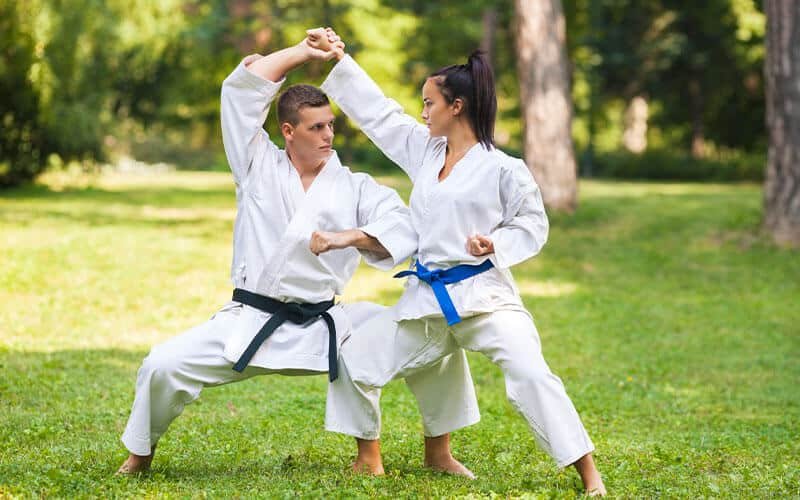
Your Complete Guide to Learning, Training, and Mastering Martial Arts
Start Your JourneyMartial arts training offers powerful mental health benefits, reducing stress and anxiety by 32% while improving focus and emotional regulation through mindfulness practices.
Build strength, flexibility, and cardiovascular health through dynamic training that engages your entire body and boosts natural endorphins.
Learn practical self-defense techniques and develop the confidence to protect yourself and others in various situations.
Develop mental discipline, improved concentration, and goal-setting skills that translate to success in all areas of life.
Join a supportive community that emphasizes respect, perseverance, and personal growth through traditional martial arts values.
Improve your balance, coordination, and body awareness through precise movements and technical training.
Learn fundamental martial arts techniques with this beginner-friendly home workout.
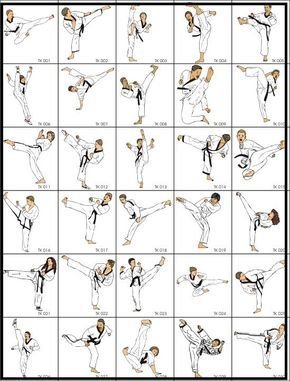
Master three essential Taekwondo kicks with step-by-step instruction perfect for beginners.
Complete 30-minute Muay Thai class for beginners - no equipment needed!
Research different martial arts styles to find one that matches your goals, interests, and physical capabilities. Popular beginner-friendly options include Karate, Taekwondo, and Brazilian Jiu-Jitsu.
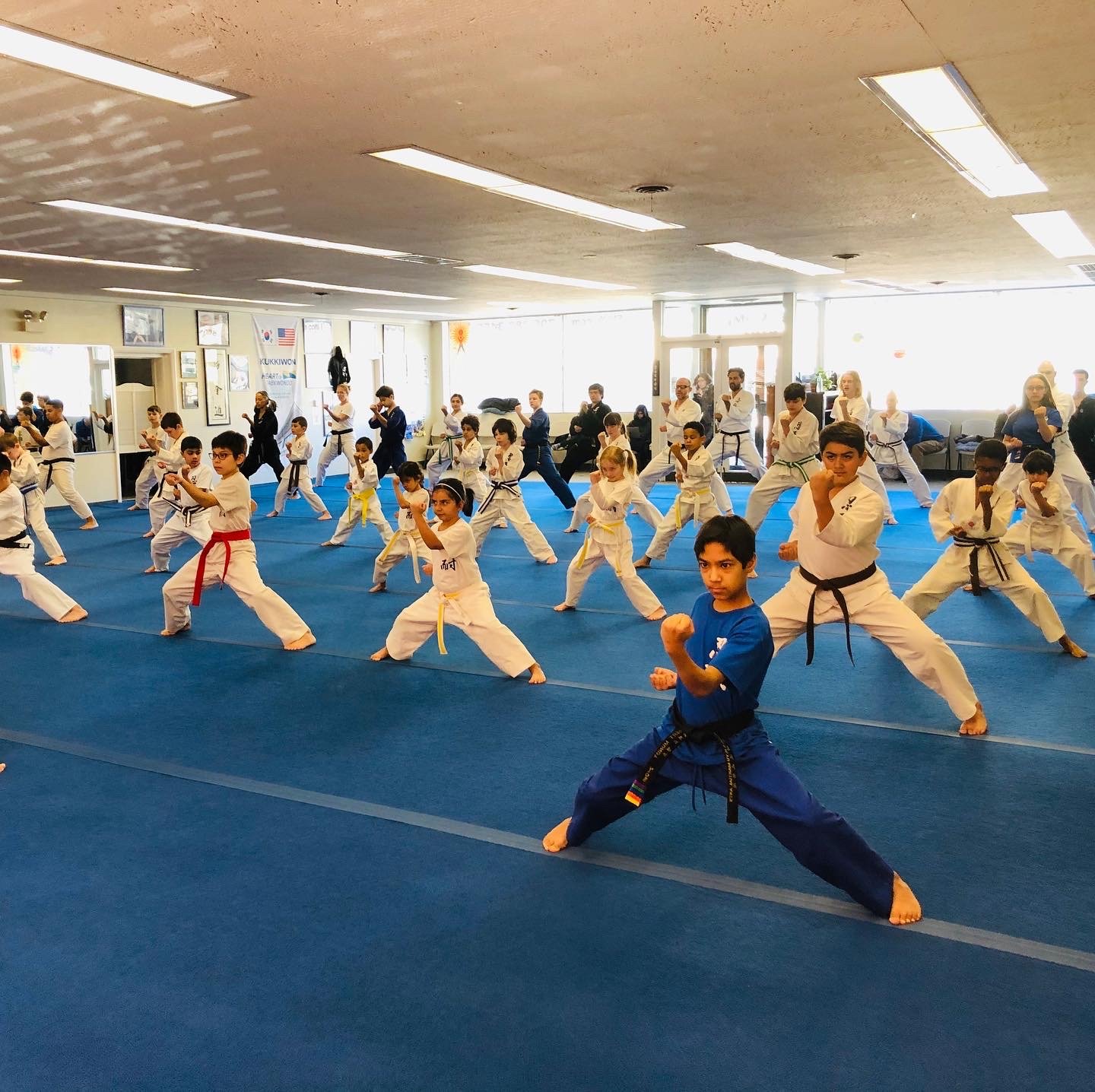
Look for certified instructors, clean facilities, and a supportive learning environment. Visit schools, observe classes, and ask about trial lessons before committing.
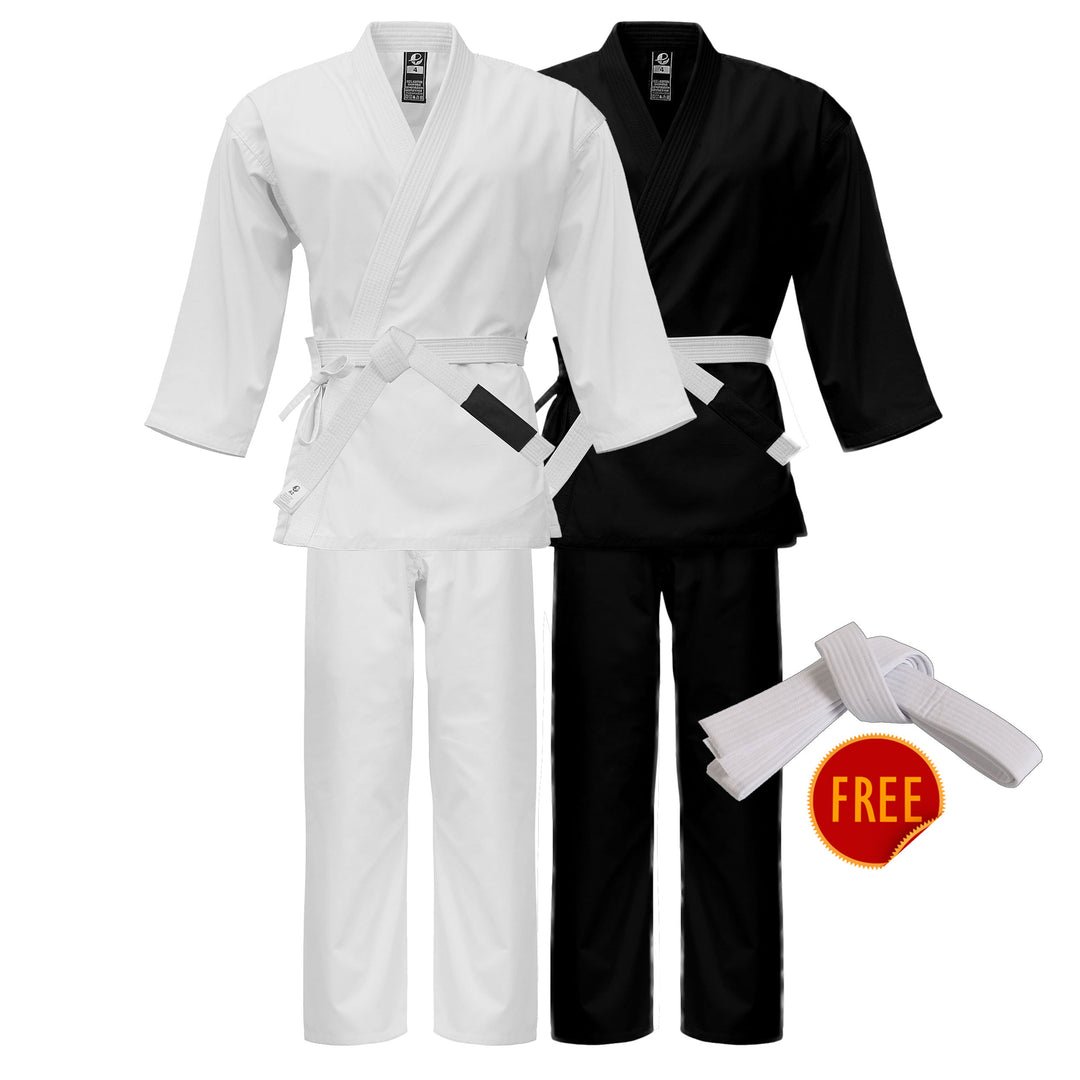
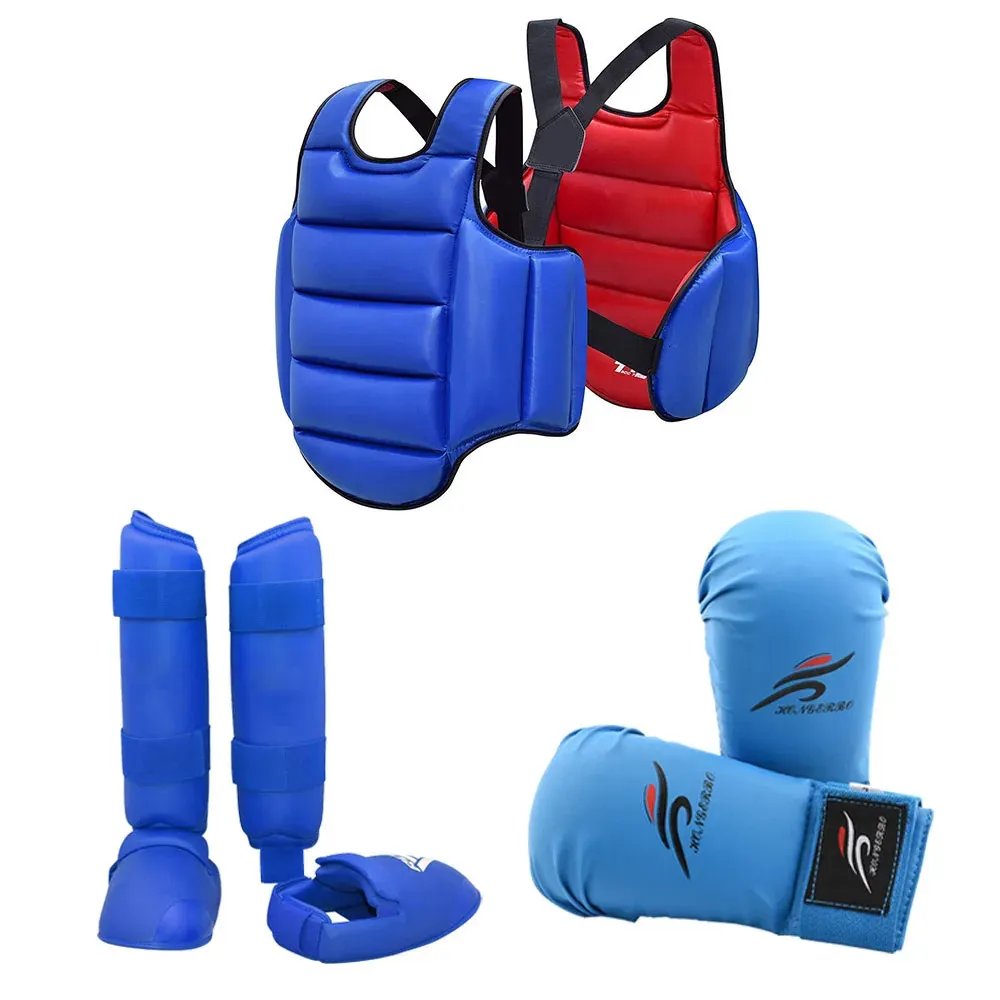
Start with basic gear: a proper uniform (gi), protective equipment, and any style-specific accessories. Quality equipment enhances safety and performance.
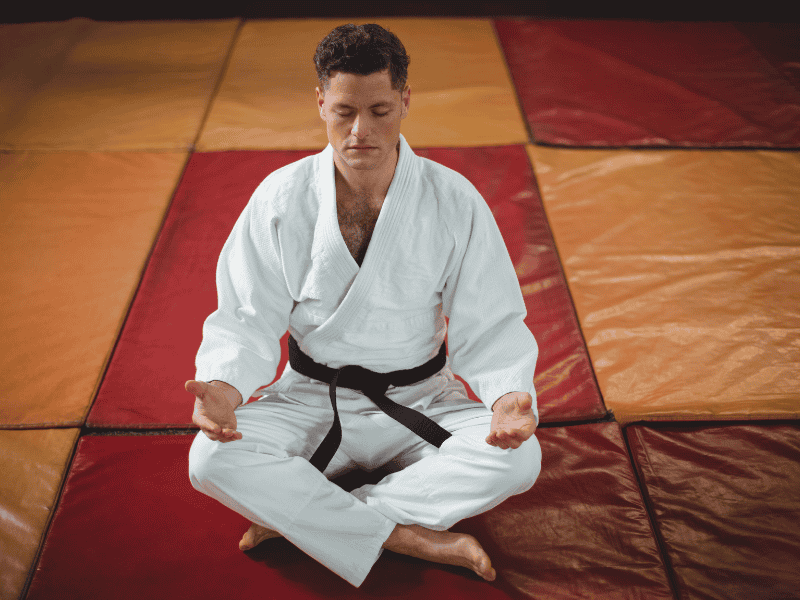
Train 2-3 times per week minimum for steady progress. Combine formal classes with at-home practice and mental conditioning like meditation.
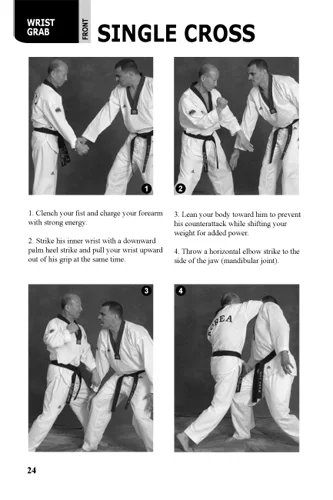
Focus on precision and form over flashy moves. Build a strong foundation with basic stances, blocks, strikes, and movement patterns.
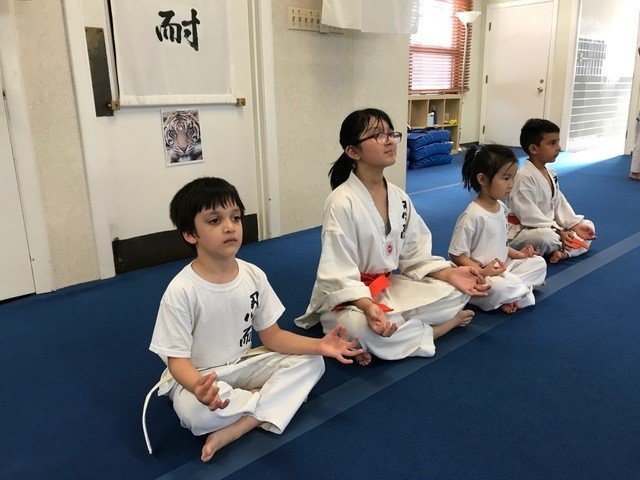
Learn the mental and spiritual aspects of your chosen art. Develop discipline, respect, and mindfulness alongside physical techniques.
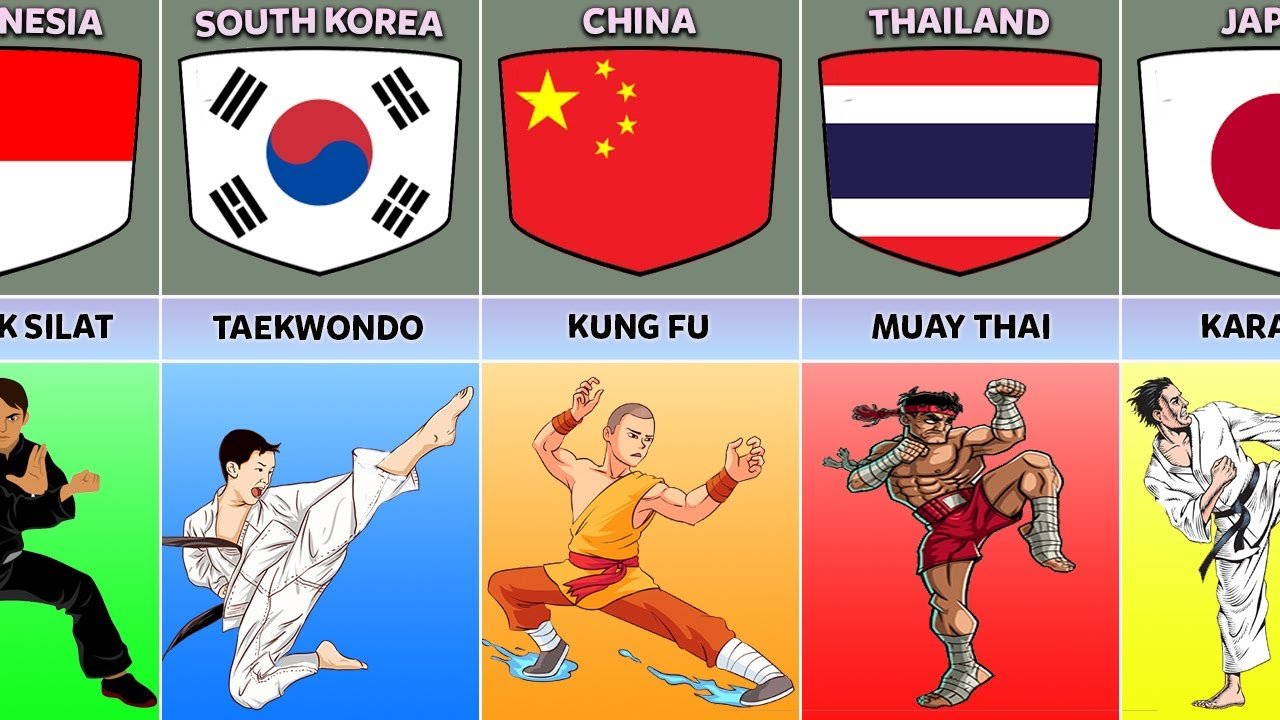
Martial arts trace back over 4,000 years to ancient civilizations in China, Egypt, and Greece, where fighting techniques were developed for self-defense, military training, and spiritual development.
Chinese martial arts (Kung Fu/Wushu) emerged during the Xia and Shang dynasties (21st-11th centuries BCE), while Japanese arts like Jujutsu developed from samurai combat techniques.
The 20th century saw the systematization and global spread of martial arts, with styles like Karate, Taekwondo, and Judo becoming Olympic sports.
Today, martial arts continue to evolve, combining traditional techniques with modern training methods and sports science for optimal health and performance benefits.
Japanese striking art focusing on punching, kicking, and blocking techniques with emphasis on form and discipline.
Korean martial art known for high kicks, jumping techniques, and Olympic-style competition.
Ground-fighting art emphasizing grappling, submissions, and leverage over strength.
Thai boxing utilizing punches, kicks, elbows, and knee strikes in standing combat.
Japanese art focusing on throws, grappling, and ground control techniques.
Chinese martial arts encompassing various styles with fluid movements and philosophical elements.
Japanese art emphasizing redirecting opponent's energy using circular movements and joint locks.
Israeli self-defense system focusing on real-world situations and efficient counter-attacks.
Search for certified martial arts schools in your area. Look for qualified instructors, clean facilities, and positive student reviews.
Search Schools
Start with basic gear including uniforms, protective equipment, and training accessories specific to your chosen martial art.
Shop Gear
Supplement your training with online resources, technique videos, and virtual classes to accelerate your learning.
Start TrainingImportant Disclaimer: Martial arts training should always be conducted under proper supervision by qualified instructors. While martial arts offer numerous physical and mental health benefits, individual results may vary. Always consult with a healthcare provider before beginning any new physical training program. The information provided is for educational purposes only and should not replace professional instruction or medical advice.